February 28, 2026
What Flowers Are in Season for Your Wedding?
Find out which wedding flowers are in season for spring, summer, fall, and winter weddings. Seasonal blooms save money and look their best.
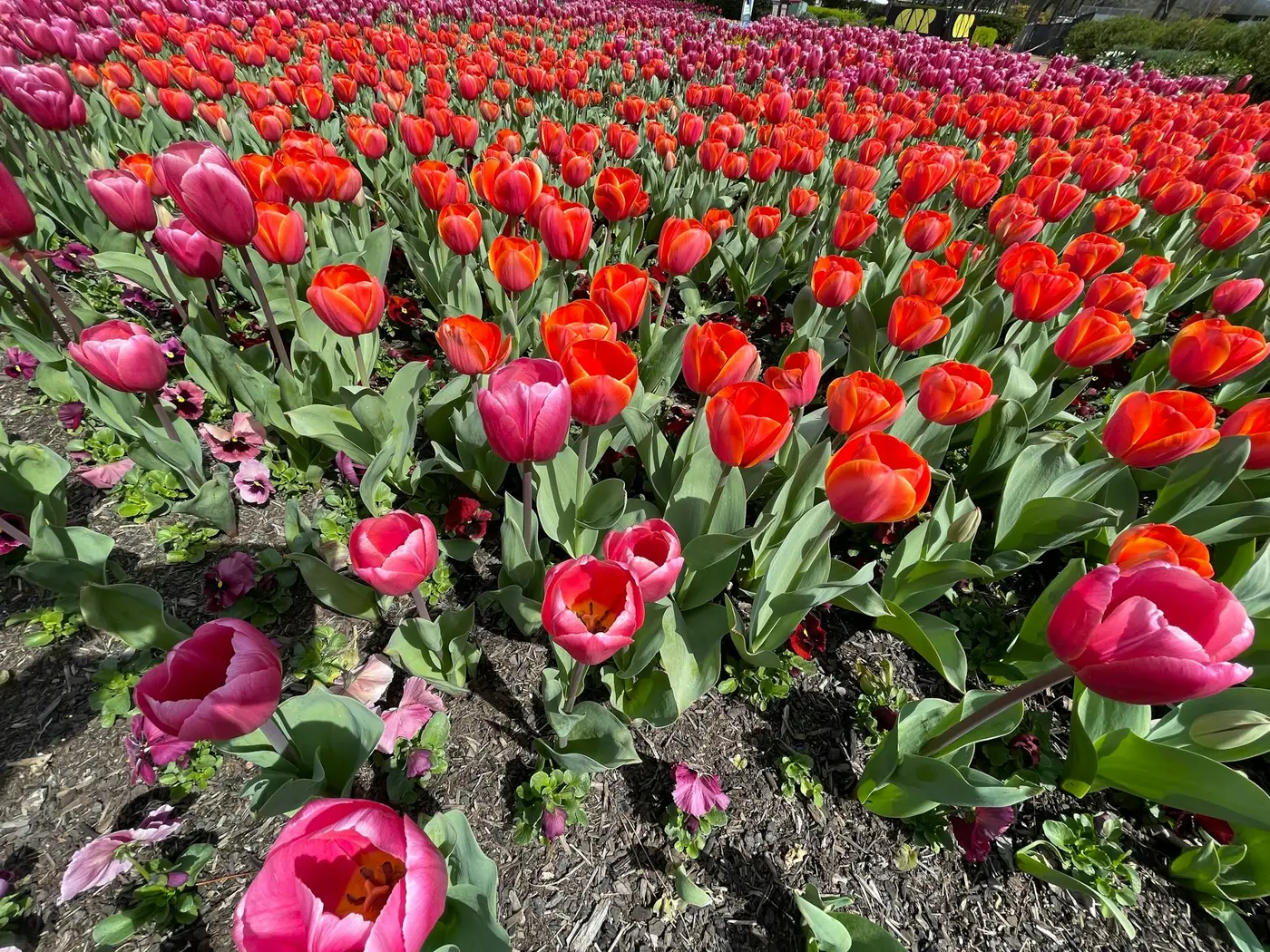
One of the simplest ways to get better-looking, longer-lasting wedding flowers at a lower price is to choose blooms that are in season for your wedding date. Seasonal flowers are more abundant, less expensive to source, and arrive in peak condition because they have not been shipped halfway around the world or forced in a greenhouse.
Here is a season-by-season guide to the best wedding flowers, plus advice on how to work with seasonality rather than fighting against it.
Why Does Flower Seasonality Matter for Weddings?
Three reasons: cost, quality, and reliability.
Cost. Flowers that are naturally in season are more abundant at wholesale markets, which drives the price down. A peony in June might cost $4 to $6 per stem. That same peony in January — if you can even get it — could run $15 to $20 per stem because it has to be imported from the southern hemisphere.
Quality. Seasonal flowers are harvested at their natural peak. They open fully, hold their color longer, and have stronger stems. Out-of-season flowers often arrive tighter, with less vibrant color, because they have been in cold storage or transit for days.
Reliability. When a flower is in peak season, supply is consistent. When it is out of season, you are at the mercy of limited inventory. The last thing you want is a call from your florist two weeks before the wedding saying your signature bloom is unavailable.
What Wedding Flowers Are in Season for a Spring Wedding?
Spring weddings (March through May) have access to some of the most beloved bridal flowers. This is peak season for soft, romantic blooms.
Star blooms for spring:
- Peonies — The ultimate bridal flower. Lush, fragrant, and available in shades from white to deep blush. Late spring (May) is peak peony season.
- Ranunculus — Layers of delicate petals in a tight rosette shape. Available in nearly every color. A less expensive alternative to garden roses.
- Sweet peas — Delicate, fragrant, and perfect for adding a trailing element to bouquets. Best in April and May.
- Tulips — Clean, elegant, and available in an enormous range of colors. Ideal for Modern bouquets.
- Lilac — Fragrant purple or white clusters that add a wild, garden-gathered feel.
- Hyacinths — Intensely fragrant with dense flower clusters. Available in purple, pink, white, and blue.
Best greenery for spring: Ferns, hellebores (technically a flower, but used like greenery), and fresh-cut herbs like rosemary or mint.
Spring brides have the luxury of choosing almost any bouquet style. The abundance of soft, romantic blooms makes Garden and Whimsical styles particularly easy to execute. Check out our style comparison guide if you are deciding between them.
What Wedding Flowers Are in Season for a Summer Wedding?
Summer weddings (June through August) bring bold colors and dramatic blooms. The selection is wide and prices are generally reasonable.
Star blooms for summer:
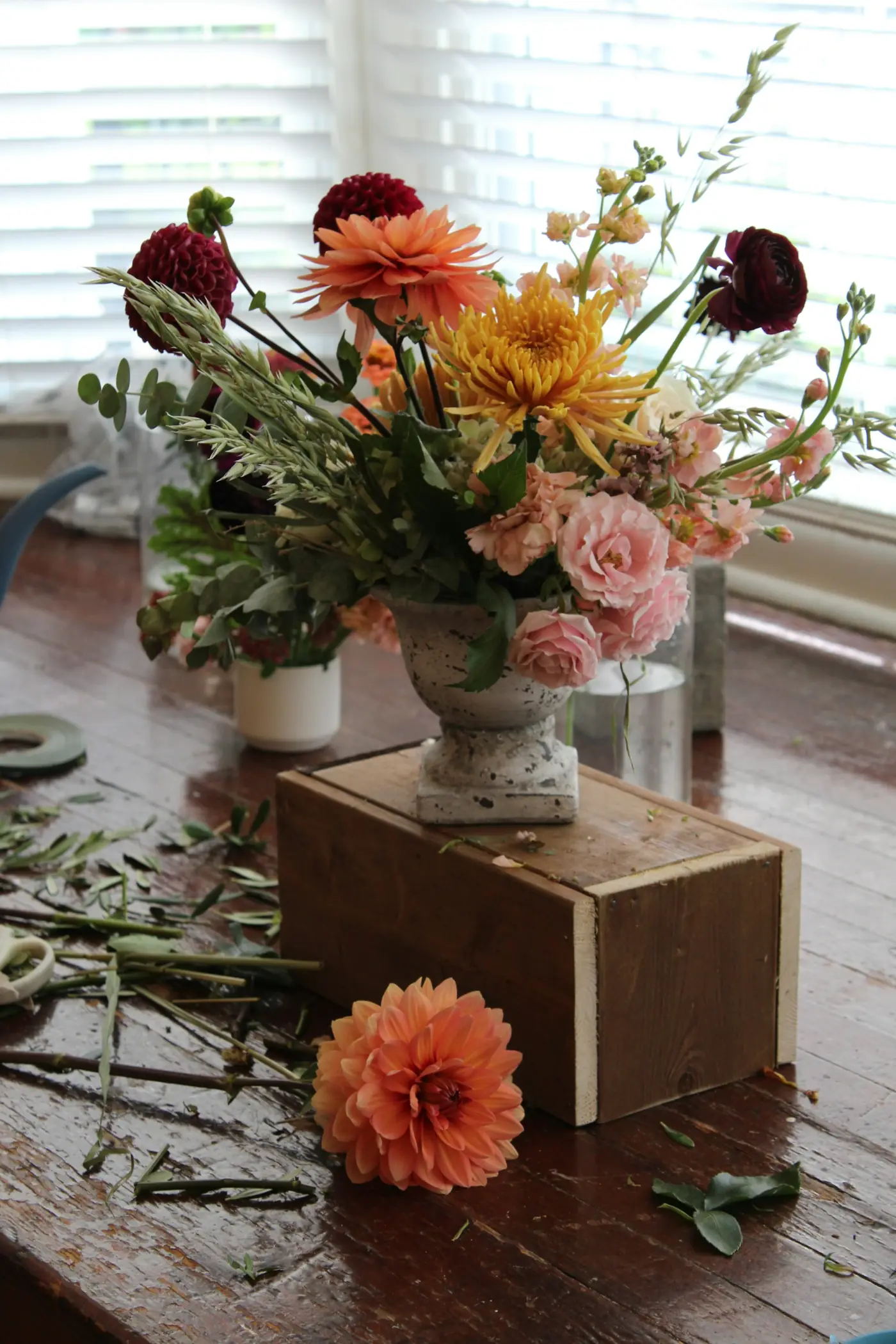
- Dahlias — Available in an incredible range of sizes and colors. The dinner-plate dahlia is a showstopper as a focal flower.
- Sunflowers — Cheerful, affordable, and perfect for rustic or outdoor weddings.
- Zinnias — Bright, graphic flowers that work beautifully in Whimsical arrangements.
- Hydrangeas — Large, full blooms that fill out a bouquet quickly, keeping costs down.
- Lisianthus — Looks like a rose but costs less. Double varieties are nearly indistinguishable from garden roses in photos.
- Roses — Available year-round, but summer produces the best quality and widest color range from domestic growers.
Best greenery for summer: Eucalyptus (multiple varieties), Italian ruscus, smilax vine, and olive branches.
Summer's abundance of bold flowers makes this a great season for brides who want color. If you are debating your palette, our color selection guide can help.
What Wedding Flowers Are in Season for a Fall Wedding?
Fall weddings (September through November) have access to rich, warm-toned blooms and dramatic textures that no other season can match.
Star blooms for fall:
- Dahlias — Still going strong in early to mid-fall. This is actually peak dahlia season in many regions.
- Chrysanthemums — Far more elegant than their grocery-store reputation suggests. Spider mums and disbud varieties are stunning in bouquets.
- Marigolds — Deep orange and gold tones that are quintessentially autumnal.
- Celosia — Velvety, textured blooms in red, orange, and burgundy. Available in crested or plumed forms.
- Roses — Fall roses tend to have deeper, richer colors than their summer counterparts.
- Amaranthus — Trailing, tassel-like blooms that add dramatic movement to bouquets. Perfect for Whimsical styles.
Best greenery for fall: Seeded eucalyptus, fall foliage branches, dried grasses, and burgundy-toned leaves.
Fall is the most forgiving season for color matching because the warm-toned palette is so cohesive. Burgundy, rust, terracotta, gold, and sage green all play well together without much effort.
What Wedding Flowers Are in Season for a Winter Wedding?
Winter weddings (December through February) have a smaller selection of fresh blooms, but the options that are available are elegant and often underused.
Star blooms for winter:
- Amaryllis — Dramatic, large blooms in red, white, and pink. A single stem can anchor an entire boutonniere or serve as a focal point in a bouquet.
- Anemones — Striking black-centered white blooms (also available in red and purple). Peak season is January through March.
- Hellebores — Subtle, sophisticated blooms in muted greens, purples, and whites. Also called "Christmas roses."
- Ranunculus — Comes back into season in late winter, providing a soft, layered option.
- Roses — Available year-round from South American growers, though domestic selection is limited.
- Paperwhites and narcissus — Fragrant white blooms with a delicate look.
Best greenery for winter: Pine, cedar, magnolia leaves, silver dollar eucalyptus, and privet berries.
Winter bouquets often benefit from supplementing fresh flowers with dried or preserved elements — dried bunny tails, preserved eucalyptus, or seed pods. These add texture and ensure the bouquet looks full even with fewer fresh options.
What If Your Favorite Flower Is Not in Season?
You have a few options:
Find a seasonal substitute. Most flowers have a visual equivalent that is available when they are not. Want peonies in October? Garden roses have a similar lush, layered look and are available well into fall. Want dahlias in March? Ranunculus offers similar petal density in a spring-friendly package.
Use it sparingly. If you must have an out-of-season flower, use it as an accent rather than the primary bloom. One or two stems of an imported peony tucked into an otherwise seasonal bouquet is far more affordable than building the entire arrangement around them.
Adjust expectations. Out-of-season flowers may arrive less open, with slightly different color saturation, or in limited color options. If you are flexible on the exact shade, this is workable. If you need a very specific look, it is risky.
How Does Seasonality Affect Wedding Flower Cost?
The price difference between seasonal and out-of-season flowers can be dramatic. Here is a rough comparison for popular bridal flowers:
| Flower | In-season cost per stem | Out-of-season cost per stem |
|---|---|---|
| Peonies | $4 - $6 | $12 - $20 |
| Dahlias | $3 - $5 | $8 - $15 |
| Ranunculus | $2 - $4 | $5 - $8 |
| Garden roses | $4 - $7 | $7 - $12 |
| Anemones | $3 - $5 | $8 - $12 |
Over an entire wedding's worth of flowers, choosing seasonal blooms can save you hundreds of dollars. For more strategies on keeping your flower budget in check, read our budget bouquet guide.
How Do You Build a Seasonal Bouquet?
The easiest approach is to choose your wedding date first, identify which flowers are at their peak during that window, and then build your color palette and style around what is available. This is the opposite of choosing a specific flower and hoping it works with your date — and it produces better results every time.
Our bouquet customizer is designed with seasonality in mind. We source flowers based on what is fresh and available for your wedding date, so you are always getting blooms at their best. Start there, and let the season guide your choices.